
GYNECOLOGIC SERVICES
Painful Periods
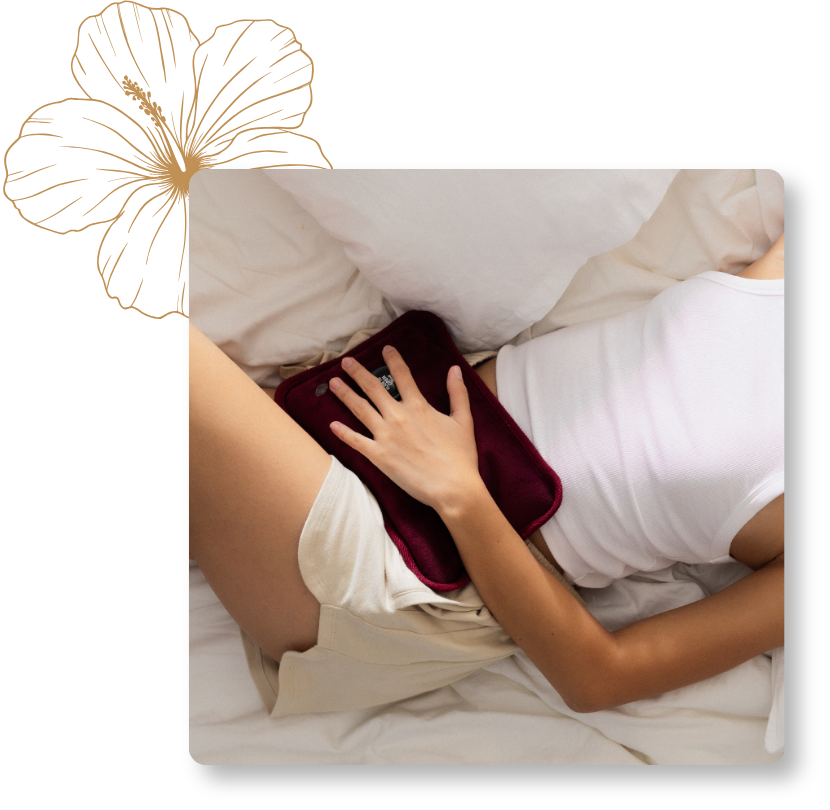
Dysmenorrhea is the medical term for pain associated with menstruation. Most women experience some degree of cramping or discomfort during their period, typically lasting 1 to 2 days. For many, the pain is mild and manageable. For others, it can be severe enough to interfere with daily activities, work, or school.
Painful periods are common, but they should not simply be accepted as something you have to endure. Effective treatment options are available.
Types of Dysmenorrhea
Primary Dysmenorrhea
Primary dysmenorrhea refers to period pain with no identifiable underlying condition. It is caused by prostaglandins, hormone-like substances that trigger uterine contractions during menstruation.
This type is especially common in younger women and often improves with age or after pregnancy.
Symptoms
In addition to cramping in the lower abdomen, painful periods may be accompanied by:

Lower back or thigh pain

Nausea or vomiting

Diarrhea

Headache

Fatigue

When to See Your Provider
You should talk to your provider about your period pain if it is severe, worsening over time, or not responding to over-the-counter medications.
A pelvic exam and imaging may be recommended to look for an underlying cause.
Treatment Options
Treatment depends on whether an underlying cause is identified and whether you are trying to conceive.

Primary Dysmenorrhea Treatment
For primary dysmenorrhea, nonsteroidal anti-inflammatory drugs (NSAIDs) such as ibuprofen or naproxen are typically the first line of treatment. They work best when started 1 to 2 days before your period begins and taken on a regular schedule for the first few days of your cycle.
Secondary Dysmenorrhea Treatment
For secondary dysmenorrhea, treatment focuses on addressing the underlying condition. Common causes include endometriosis, uterine fibroids, adenomyosis, and ovarian cysts.
Your provider will discuss the most appropriate approach based on your diagnosis and your reproductive goals.

Combined Birth Control Pills
Combined estrogen and progestin birth control pills can reduce the severity of cramps.

Progestin-Only Methods
Options such as the hormonal implant or injection may help manage painful periods.

Hormonal IUDs
Hormonal IUDs often reduce menstrual bleeding significantly over time and can greatly reduce associated pain.


Have Questions? Ask Elise AI
Elise is your AI health assistant. Get answers to common questions about our services, what to expect, and more.
Ready to schedule an appointment?
Book online in just a few clicks. We’re here to help you feel your best!